
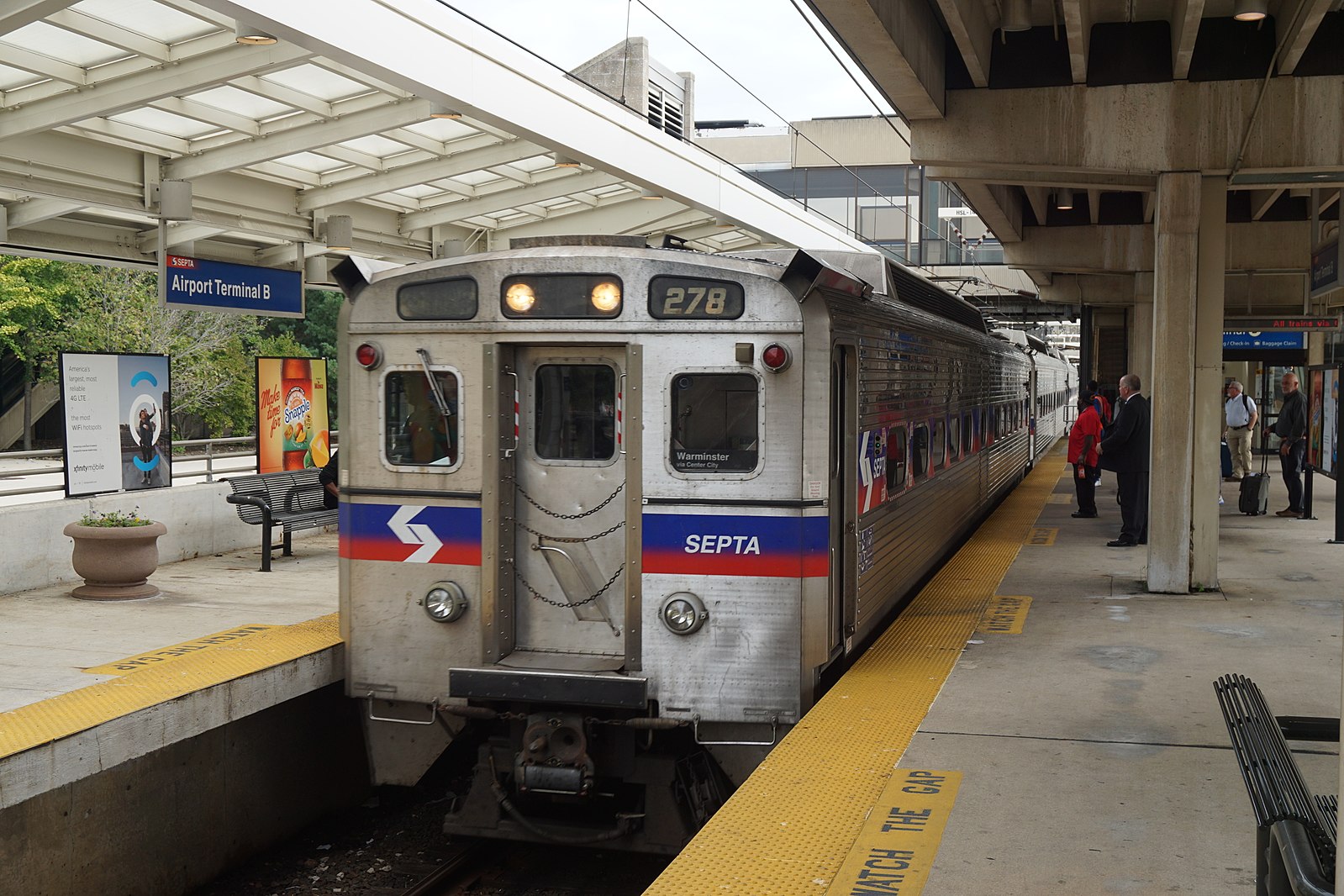
The Emmy might have gone to “The Pitt.” But Pennsylvania Democrats and the Southeastern Pennsylvania Transportation Authority (SEPTA) deserved the award for best drama.
Let’s set the scene.
If the Pennsylvania legislature couldn’t increase funding for mass transit by Aug. 14, the Southeastern Pennsylvania Transportation Authority (SEPTA) would have to cut service and raise fares.
Two days before the deadline, the Pennsylvania Senate passed an amended version of House Bill 257. The proposal would use $1.2 billion from the Pennsylvania Transportation Trust Fund (PTTF)—half of which would go toward mass transit. This solution would have provided SEPTA with immediate funds and improved safety and transparency measures, without increasing fares or raising taxes.
But House Democrats rashly voted “no” without even debating the bill before the full House. House Majority Leader Matt Bradford grandstanded about how he opposed “raiding the trust fund.” (This is rich coming from the party that wants to drain Pennsylvania’s Rainy Day Fund to fund Shapiro’s out-of-control spending.)
Fast forward about a month, Bradford’s tune changed. The leading Democrat expressed his “openness” to using PTTF. Shortly after, Gov. Josh Shapiro approved SEPTA’s request to transfer funding from the PTTF—the very same proposal that Bradford said “will not pass the House”—to provide a two-year stopgap measure for the agency’s structural deficit.
This entire political theater could have been avoided if House Democrats had voted to approve the Senate’s transit-funding bill from the beginning.
Instead, Pennsylvania Democrats and SEPTA tried to use this manufactured crisis as a political bludgeon to bash Republicans. Prominent Democrats admitted publicly their intentions to turn this into a “focal point in Pennsylvania’s 2026 midterms.” Democrat-aligned political action committees have already raised funds to target lawmakers for “leaving SEPTA riders stranded.”
Several lawmakers have already taken their act on the road, staging poorly attended media events at SEPTA stations. State Rep. Malcolm Kenyatta (D-Philadelphia) took it a step further, staging a five-day, 105-mile walk from his home in north Philadelphia to the state capitol in Harrisburg.
But in the end, those theatrics only harmed Philadelphia’s most vulnerable.
Despite claims of targeted routes “where ridership was low,” SEPTA slashed some of its most-used and profitable routes. For example, proposed cuts to the Paoli–Thorndale regional rail line and the 23 bus line chopped some of SEPTA’s strongest revenue-generating routes. Plus, the financial incentive of the Broad Street Line inspired FanDuel to chip in $80,000 to restore service before the Eagles’ home opener.
Even worse, SEPTA intentionally targeted one of its biggest customers: Philadelphia students. More than 50,000 kids rely on SEPTA to get to school. Following the cuts, nearly two-thirds of the city’s schools reported significant increases in tardiness and absences.
It’s not hard to see why SEPTA suspiciously moved its planned cut dates from July 1 to Aug. 24—the day before Philly students reported back for their first day of school. Not even the “Phillies Karen” could match such callous disregard for Philly kids.
But this unfair treatment landed the agency in court. A group of aggrieved riders filed suit, claiming that SEPTA was “using the safety and economic well-being of an entire region—SEPTA’s riders—as pawns.” A judge agreed, first issuing a temporary injunction followed by a cease-and-desist order demanding SEPTA “immediately reverse all service cuts.”
As evidenced by this litigation, SEPTA has the money to cover its budget deficit. SEPTA manages a $300 million stabilization fund but refuses to use it.
Yet, SEPTA seems perfectly content to use taxpayer resources to lobby for more public dollars. In fact, SEPTA has spent millions on lobbying and, according to recent reports, “spent the most money on lobbying firms of any public agency.”
Don’t let SEPTA fool you: It is clearly a political entity. And Pennsylvania Democrats are willing collaborators.
But not everybody is buying their story. More than half of Pennsylvanians blame Gov. Josh Shapiro and Pennsylvania Democrats for the budget impasse, according to a recent poll by Public Opinion Strategies.
In the end, Pennsylvania Democrats and SEPTA gambled and lost. Their efforts to weaponize this melodrama didn’t pan out as they planned. They not only failed to get what they wanted (more tax dollars for SEPTA) but also lost their purported political leverage in this ongoing budget fiasco.
Unfortunately, this isn’t the last we’ll hear about SEPTA. The Shapiro administration decided to syphon two years’ worth of funding from the state’s Public Transportation Trust Fund, kicking this proverbial can down the road (or rail line). When that money inevitably runs out, be sure to bring some popcorn for this political soap opera’s inevitable sequel.