
Is there a civil rights crisis in the Delaware Valley?
In rapid succession in September, three of the four Democratic-controlled Philadelphia collar counties voted to form so-called “Human Relations Commissions.” Critics say there’s been little public discussion of their mission or purpose.
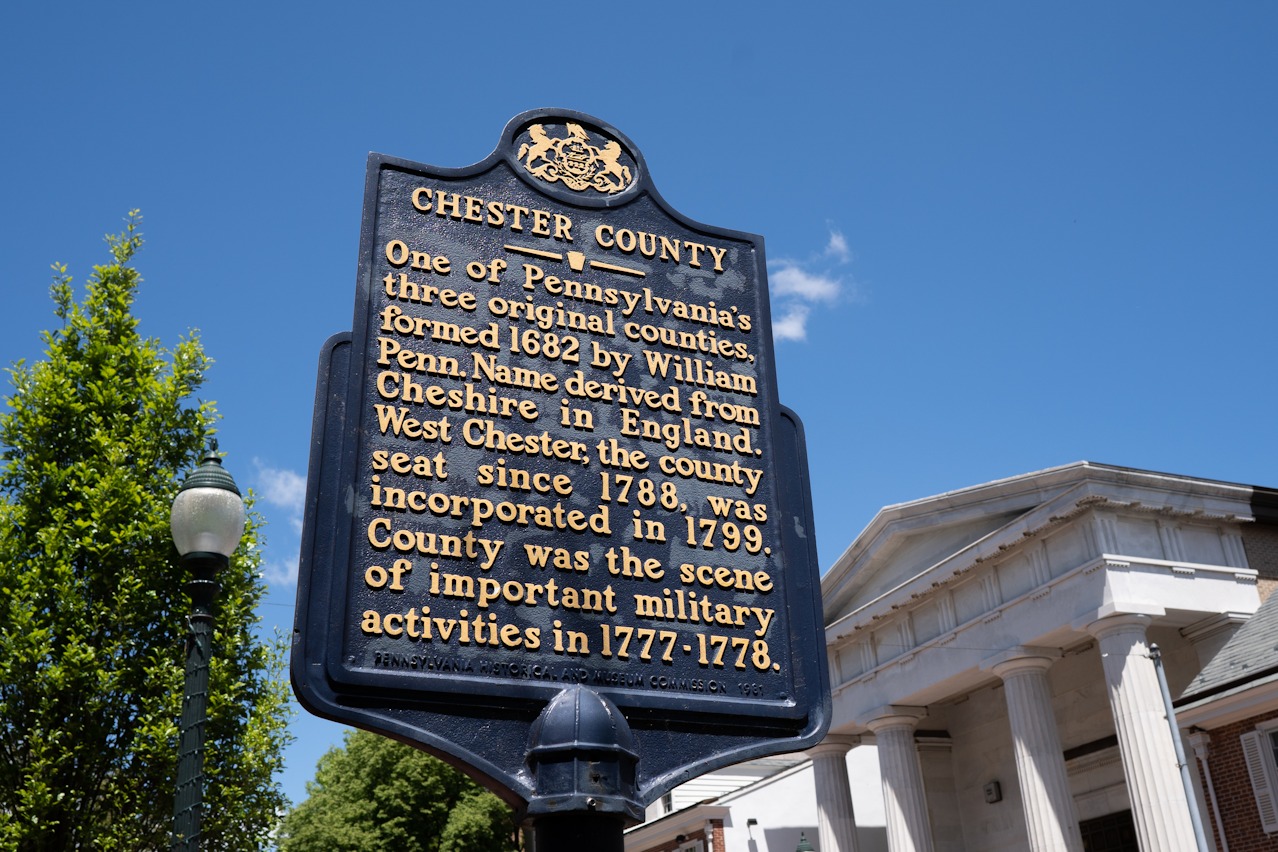
According to a press release, the Chester County Human Relations Commission (HRC) “will be dedicated to protecting all Chester County residents from discrimination in employment, housing, and public accommodations.” But there are already federal civil rights laws, and some state laws, too, that prohibit this discrimination.
So why are these counties passing redundant ordinances? Donald Trump.
During a contentious meeting on Wednesday, when the Chester County commissioners voted 2-1 to form their Human Relations Commission (HRC), Vice Chair Marian Moskowitz let her motivations slip.
“Things are happening in the federal government. We are starting to lose our rights,” Moskowitz said.
Minority GOP Republican Commissioner Eric Roe, who voted no, noted the existing federal and state protections. He is also concerned that more county money than the $500 specified in the ordinance would be needed and that the HRC will expose the county to lawsuits.
Indeed, Delaware County, which recently passed a similar ordinance for an HRC, has already been sued in federal court by Glen Mills resident Greg Stenstrom.
In the lawsuit, Stenstrom called the HRC “an unlawful tribunal (he would face) before gaining access to the courts.”
The HRC has the power to issue subpoenas, compel testimony, conduct hearings and investigations, impose fines of up to $500 and order restitution. He asks the court to declare it unconstitutional.
Before the vote, Roe questioned Chester County Solicitor Colleen Frens about the commission’s power and responsibilities. Frens admitted that the county could face litigation as a result of the HRC. Roe asked whether the county might have to pay if frivolous claims were brought. Frens replied, “It is hard to give a yes or no.” He asked if she might need to hire more staff if a large number of claims were brought to the HRC, and she said she might.
Roe said he was concerned about whether he was “being a good steward with county dollars.”
Dozens of residents spoke in favor of and against the Chester County HRC ordinance. Many of those in favor said they were concerned about LGBTQ and transgender rights. Other residents were concerned that an extrajudicial board would curtail their rights, including the right to use a public restroom without encountering someone of the opposite sex.
“I do not want biological men in the bathroom with me,” said Beth Ann Rosica of West Chester.
Stephanie O’Brien said she was going into the women’s room before the meeting and then decided not to when she saw someone who gave her pause.
Other audience members shouted at her. A woman said, “You’re all fascists,” before Chairman Josh Maxwell called for quiet.
“As a regular woman, a regular mom and grandma,” O’Brien said, the HRC “causes division. We are going to have people tattle-tailing on each other. Our side is going to feel unsafe.”
“I am a rape survivor,” said Ada Nestor, of West Goshen. “I know firsthand how important safe, single-sex spaces are.”
A man said his nonbinary partner was concerned about not being able to use the restroom when they went out to eat. Stacy Stone said her transgender son is “almost 6-feet tall and bearded.”
“You don’t want him in the women’s restroom,” Stone said.
Another person said that when parents learned he was transgender, they removed their children from his classroom.
Diane Houser was concerned about the cost of the HRC to taxpayers.
Joe LoRusso, who is running for county controller, said the commissioners were creating division with the HRC ordinance.
“This bill is creating more division, us versus them,” he said.
Montgomery County Republican Commissioner Tom DiBello voted against that county’s HRC ordinance that came up “out of the blue” in early September. “A lot of the public were in the dark about it.”
He told DVJournal that he had asked his colleagues to postpone a vote on it so that residents would be aware, but they ignored his advice.
Most of those who spoke in favor of it were activists at the meeting because they were concerned about illegal immigrants being taken into custody by Immigration and Customs Enforcement (ICE) officers and wanted the commissioners to declare Montgomery County a “welcoming county,” he said.
DiBello is also concerned about the cost of the HRC, noting there is already a state HRC.
“This makes no sense to me,” said DiBello. “We’re going to be stepping into legal issues.”
But Montco Commissioners Chair Neil K. Makhija extolled the new HRC.
“By creating the Montgomery County Human Relations Commission, we are making sure that our residents will not need to depend solely on a state-level process in Harrisburg or whether their municipality already has a local HRC. They will be able to turn to the Montgomery County HRC—made up of neighbors from their own communities—who will work to uphold the principles of fairness, dignity, and equal opportunity.”