
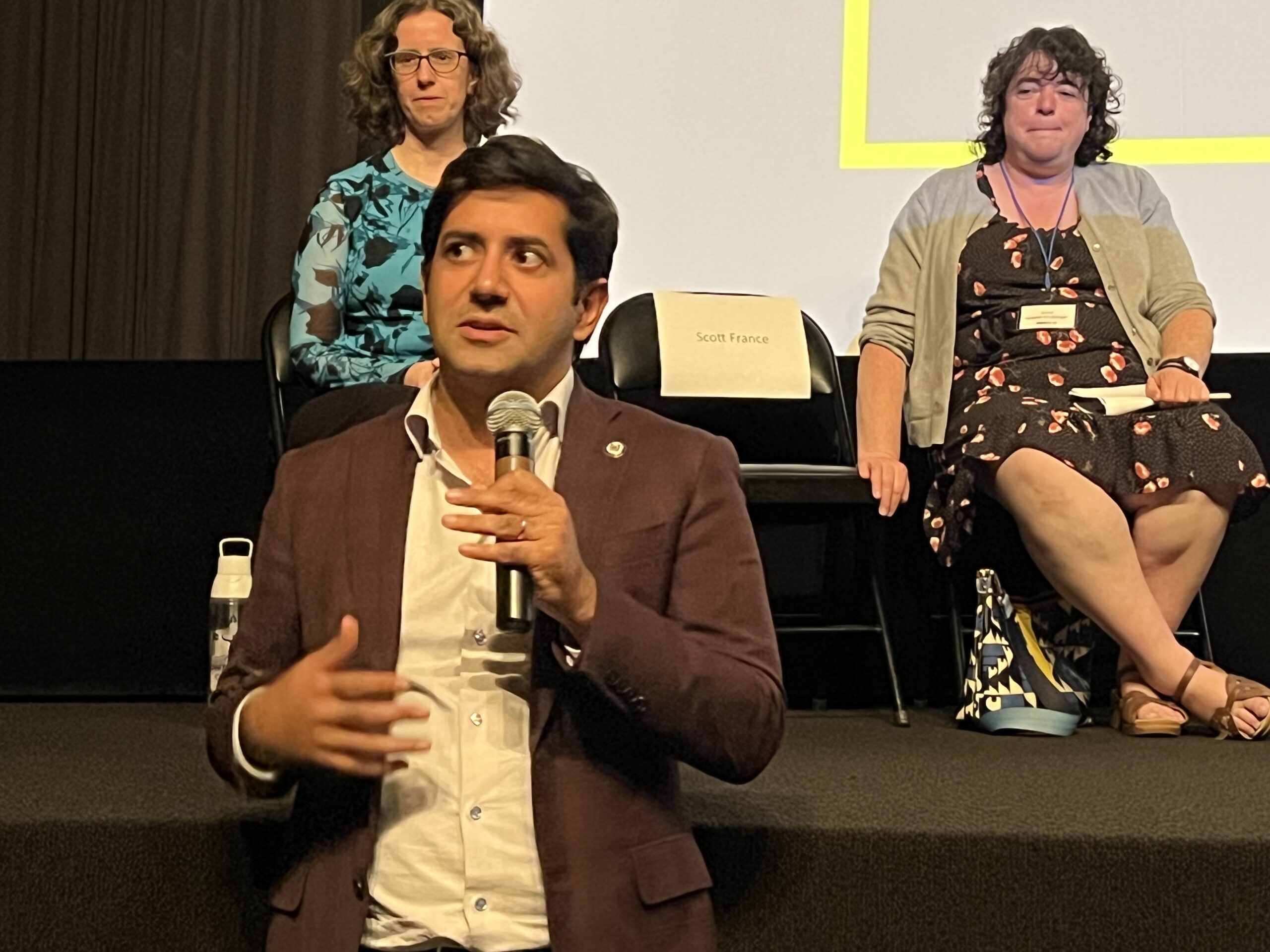
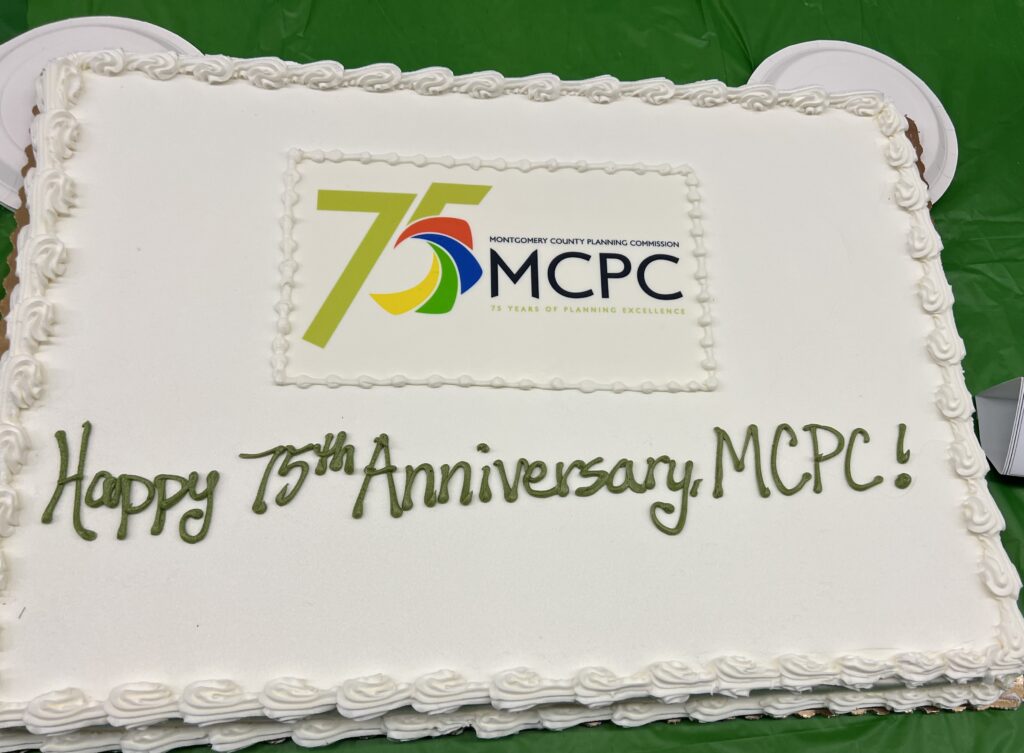
The historic Ambler Theater on Tuesday hosted a presentation on Montgomery County’s upcoming 2050 “A Comprehensive Plan for a Changing World,” while also celebrating the county Planning Commission’s 75th anniversary.
County planners project Montgomery County will gain about 100,000 new residents over the next 25 years.
“Housing prices and rental prices are outpacing inflation,” said Anne Leavitt-Gruberger, county planning manager. “A quarter of county households are paying 30 percent of their income to housing costs. Most housing units built over the last decade are multifamily.”
Leavitt-Gruberger said residents have told planners they want more options.
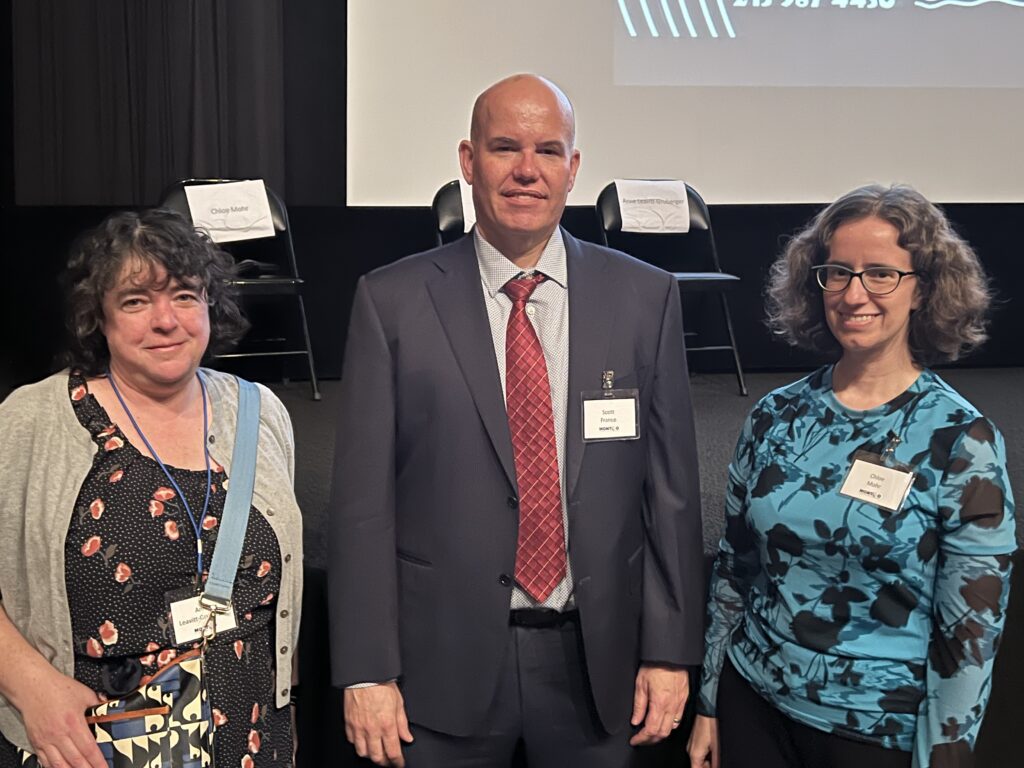
“They are interested in accessory dwellings, smaller secondary units on a main property,” she said. “People want flexibility in where they can live. People also said housing is too expensive. They want the opportunity for homeownership, that opportunity to build wealth. And they want more housing for those of modest income.”
Not all feedback aligned with the county’s approach. “Some people said housing prices should be left to the market, that county government should not interfere with the process of buying and selling,” she added. “We wanted to include a little of all the comments here.”
Looking ahead, Leavitt-Gruberger predicted the county will see a greater variety of housing options, more affordable units, and improved accessibility for people with disabilities or the elderly. “We want to see homes near transit and our downtowns,” she said.
The Planning Commission, she noted, will create model ordinances for municipalities, provide technical assistance, and help with zoning code updates — including potential reuse of office buildings.
Planner Chloe Mohr highlighted residents’ concerns about downtowns and historic sites.
“Businesses are growing in Montgomery County but not locating in existing municipal downtowns,” she said. “Older downtowns and boroughs are important to people. They want to see them succeed. A lot of people said, ‘Please save our historic buildings.’”
Successful downtowns such as Ambler, Mohr added, are “walkable” and feature green spaces. She said many residents also believe there has been too much development, though the county cannot stop it entirely. “We can make sure it’s in the right places and an asset,” she said.
Residents also asked for more gathering places, particularly free ones, and urged planners to direct new development to areas with existing infrastructure like public water, sewer, transit, and major roads.
Montgomery County is home to a wide range of industries and jobs, Leavitt-Gruberger said, predicting growth in healthcare, IT, social assistance, and professional services.
“More people commute into Montgomery County to work (63 percent) than commute out,” she said. “And people commute from pretty long distances to get here. The average county resident is highly educated, but not everyone is prepared for today’s available jobs.”
Residents also asked for more support for small businesses, resources for older adults and the disabled, and help dealing with inflation. “People are frustrated that working a full-time job is not enough to make ends meet,” she said.
On transportation, Leavitt-Gruberger noted the county isn’t building new roads or major highways but is working with municipalities and PennDOT to improve commutes, such as updating traffic signals. Safety remains a concern, with 50 traffic fatalities reported in 2019. While most residents drive, cycling is gaining popularity, and residents want more trails built.
A report noted that both SEPTA and Pottstown Area Rapid Transit continue to struggle with ridership since the pandemic.
Commissioners Chair Neil Makhija praised the Planning Commission’s efforts. “I am totally blown away by the level of commitment, the vision, and how embedded the Planning Commission is in their work with municipalities,” he said. “When I think about how it’s going to be in 25 years, when I’m ready to retire, it’s got to be a place that’s livable, affordable, and sustainable.”
Planning Commission Director Scott France said the 2050 plan has been the commission’s top priority since 2022. The comprehensive plan, expected in early 2026, will guide the county and its municipalities for the next 25 years on development, land use, housing, and natural and historic resources.
“Why focus on change?” France asked. “The 2020 pandemic, climate change, energy sourcing, transportation, and what equity means in 2025. Growth will happen — and that, in my opinion, is a good thing. The opposite of growth is stagnation and decline. We have to figure out how to manage that growth where it makes the most sense. You can’t have effective growth without effective preservation.”
The plan is not final, and the Planning Commission is seeking public comments.